
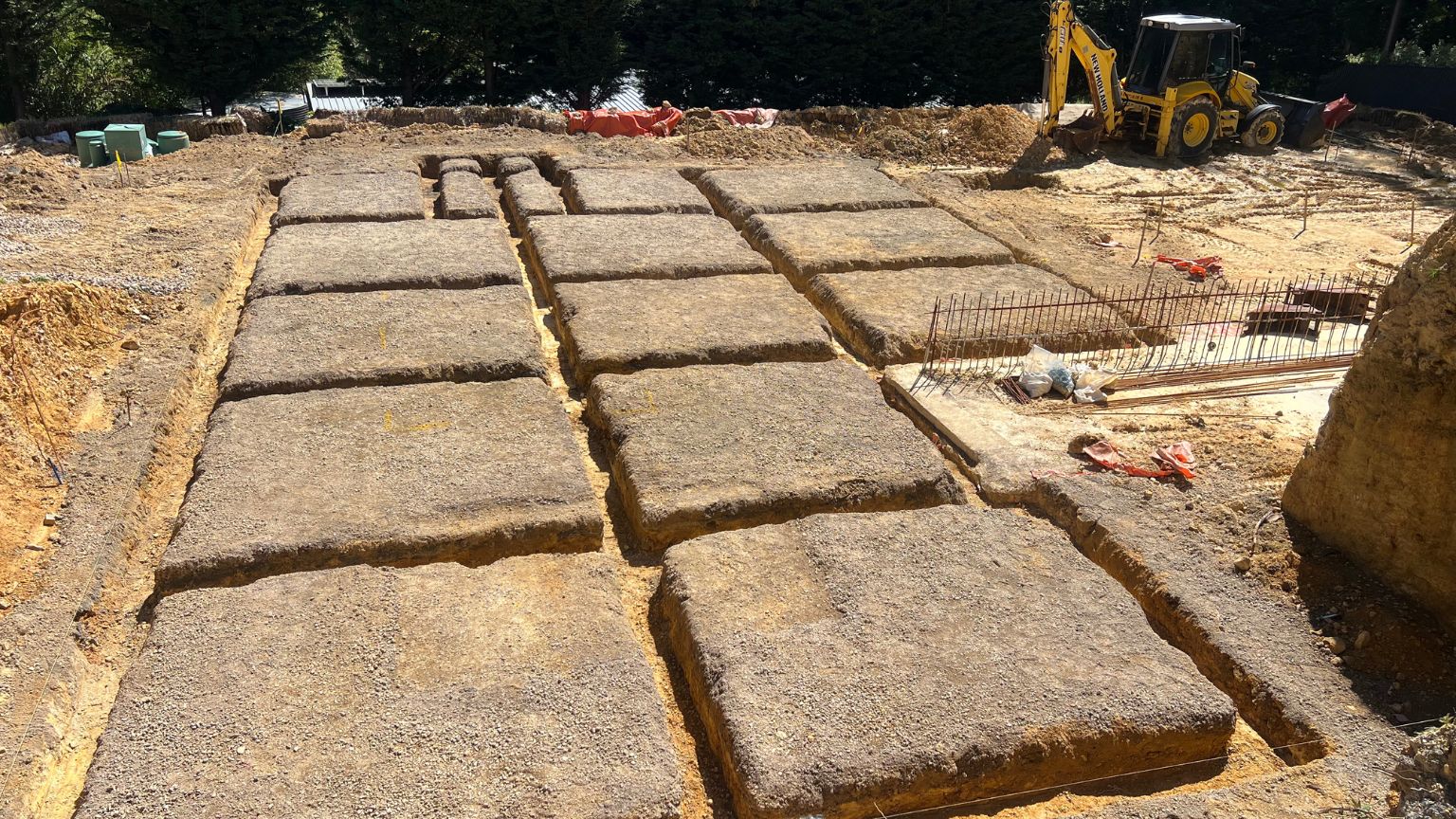
Excavation and earthmoving are foundational elements in the construction and landscaping industries. These processes involve the removal and relocation of soil, rock, and other materials to create the desired landscape or structure. Let’s delve into the world of excavation and earthmoving, exploring the techniques, equipment, and best practices that make these tasks both efficient and safe. Here at TG Excavation & Unique Pools we will walk you through the essentials
The Essentials of Excavation
Types of Excavation
Excavation varies depending on the project. From trenching for utilities to large-scale site excavations for building foundations, each type requires specific techniques and tools.
Equipment Used in Excavation
The equipment used in excavation is as varied as the tasks themselves. From powerful excavators to versatile backhoes, each piece plays a crucial role in efficiently completing the job.
Understanding Earthmoving
Earthmoving Techniques
Earthmoving involves more than just moving dirt. It’s about precision and ensuring the stability of the site. Techniques vary from grading and landscaping to more complex tasks like slope stabilisation.
Machinery for Earthmoving
Earthmoving machinery includes bulldozers, graders, and loaders. Each machine is designed for specific tasks, ensuring optimal performance and safety.
Safety in Excavation and Earthmoving
Safety Protocols
Safety is paramount in excavation and earthmoving. Adhering to strict safety protocols and regulations is essential to protect workers and the public.
Training and Certification
Operators of excavation and earthmoving equipment must be properly trained and certified. This ensures they have the skills and knowledge to safely handle the machinery.
Environmental Considerations
Minimising Environmental Impact
Excavation and earthmoving can significantly impact the environment. It’s crucial to implement strategies to minimise this impact, such as erosion control and careful material disposal.
Sustainable Practices
Sustainable practices are becoming increasingly important. This includes recycling materials and using environmentally friendly machinery.
Planning and Preparation
Site Assessment
Before any excavation or earthmoving begins, a thorough site assessment is necessary. This helps identify potential challenges and plan accordingly.
Project Planning
Effective project planning is crucial for successful excavation and earthmoving. This involves detailed timelines, resource allocation, and contingency plans.
Challenges in Excavation and Earthmoving
Dealing with Difficult Terrain
Difficult terrain can present significant challenges. Adapting techniques and equipment to these conditions is key.
Weather-Related Challenges
Weather can greatly affect any project. Planning for weather contingencies is essential to keep projects on track.
Technological Advancements
Innovations in Equipment
Technological advancements have led to more efficient and safer excavation and earthmoving equipment. This includes GPS-guided machinery and automated systems.
Software and Planning Tools
Modern software and planning tools have revolutionised the planning and execution of projects. These tools allow for more accurate and efficient project management.
Cost Factors
Estimating Costs
Accurately estimating the costs is crucial for budgeting and financial planning.
Budgeting for Projects
Effective budgeting ensures that projects are financially viable and can be completed without unnecessary financial strain.
Hiring a Professional Excavation Company
Choosing the right professional excavation company is critical. Look for experience, expertise, and a strong safety record. Contact us Today for more details!
Conclusion
Excavation and earthmoving are complex but essential processes in construction and landscaping. Understanding the techniques, equipment, and best practices is key to executing successful projects. With the right approach and expertise, these tasks can be carried out efficiently, safely, and with minimal environmental impact.
continue reading
Related Posts
Polished concrete is not just a flooring option; it’s a
Swimming pools are more than just a luxury; they’re a
